How to Identify High Quality Vinyl: A Buyer's Guide
Last Updated: November 3, 2026
Quick Summary
To identify high quality vinyl, check the record's weight and then read the runout groove etchings. Heavier records resist warping, but the matrix number, stamper suffix and pressing plant code in the dead wax are the more reliable signals of a quality pressing.
- 180-gram vinyl should feel solid and stiff in your hands, while a standard pressing flexes more easily.
- A low matrix suffix such as -1 or -2 usually means an early stamper, while higher numbers mean more wear.
- A pressing plant code that does not match the label's stated origin is a red flag for a mixed copy.
- A heavy reissue from an unknown plant can be worse than a lighter original from a respected plant.
- Check for a greyish, dulled sheen across the grooves, which can signal groove wear on older copies.
Table of Contents
- Why Vinyl Weight and Platter Stability Signal Quality
- Reading the Runout Groove: Matrix Numbers and Dead Wax Clues
- Pressing Plants, Stampers and the Lacquer Cut
- Visual Inspection: Surface Noise, Warping and Groove Wear
- Analogue Source vs Digital Remaster: Which Pressing Are You Hearing?
- Cast vs Calendared Vinyl: Which One Belongs on Your Car?
- Car Vinyl Decal Durability: What Separates Long-Life From Landfill
- Car Vinyl Adhesive Types and How to Apply Vinyl Decals Without Bubbles
- Frequently Asked Questions
Why Vinyl Weight and Platter Stability Signal Quality
Vinyl weight is the first thing to check, and it tells you more about build quality than any label claim. Heavier records tend to resist warping and sit flatter on your platter.
So use weight as a starting filter, not a verdict:
- 180-gram vinyl should feel solid and stiff in your hands
- A standard pressing feels lighter and flexes more easily
- Warping shows up fast as a visible ripple across the surface
Platter stability matters too. A flat record keeps the stylus steady. A warped one makes the arm ride up and down, and that wobble can cause audible pitch drift.
Reading the Runout Groove: Matrix Numbers and Dead Wax Clues
The runout groove, or dead wax, is the smooth strip between the last track and the label. Tilt the record under a strong lamp at a low angle and you will find etched or stamped marks there.
Here is what each mark tells you:
-
Matrix number: identifies the specific lacquer cut used for this pressing. It usually appears as a prefix and a number, such as
A-1orB-2, and the suffix letter or number indicates which stamper was used. AnA-1is an early pull; anA-7is a later one from the same plant. - Catalogue number: matches the release to a known pressing. Cross-check it against the sleeve and label to confirm they belong together.
-
Pressing plant codes: letters or symbols stamped by the factory. Common patterns include a stamped
SorHfor particular plants, and some plants used a stamped logo or a hand-etched identifier. A plant code that does not match the label's stated origin is a red flag for a mixed or repackaged copy. - Mastering engineer initials: often hand-etched into the dead wax. These are worth learning because a cut by a respected engineer is a quality signal in itself.
-
Source indicators: etchings such as
DMM(Direct Metal Mastering) or words likedigitalcan reveal whether the lacquer was cut from an analogue tape or a digital file.
A common mistake is ignoring the dead wax entirely. In practice, these etchings tell you which plant pressed the record and whether it used an early stamper or a worn one. Later stampers wear down, and worn stampers add surface noise.
Watch out: do not confuse a stamped matrix with a hand-etched one. Stamped marks are typically factory-applied and uniform, while hand-etched marks are individual and often include the engineer's initials. A record with hand-etched marks from a known engineer is often a better bet than one with only a stamped matrix and no other identifiers.
To decode a matrix fully, note the prefix, the number, the suffix and any symbols, then compare them against online pressing databases. That cross-reference is what turns a set of scratches into a reliable quality verdict.
The dead wax etchings give you the fastest read on how a record was made, so here is what each mark tells you.
| Mark | What it tells you | Note |
|---|---|---|
| Matrix number | Identifies the specific lacquer cut | Prefix and number, such as A-1 or B-2 |
| Matrix suffix | Indicates which stamper was used | Low number means an early stamper |
| Catalogue number | Matches the release to a known pressing | Cross-check against sleeve and label |
| Pressing plant codes | Letters or symbols stamped by the factory | Mismatch with label origin is a red flag |
| Mastering engineer initials | Often hand-etched into the dead wax | A respected engineer is a quality signal |
| Source indicators | DMM or words like digital | Reveals analogue tape or digital file |
Pressing Plants, Stampers and the Lacquer Cut
Pressing quality starts long before the record reaches your turntable. A mastering engineer cuts a lacquer, and that lacquer becomes a father, then a mother, then a stamper. Each stamper has a limited life, and early pulls sound cleaner than late ones from the same plant.
Regional differences are real, and this is where most guides stay vague. A useful pattern to learn is that some countries developed a reputation for tight quality control while others prioritised volume. This is not a rule about nationality but about plant practice: a plant that changes stampers frequently and inspects each pull will beat one that runs stampers to failure.
A useful habit: match the pressing plant code in the dead wax to the label variation on the sleeve. If the two disagree, you may be looking at a mixed or repackaged copy. Original pressings from a respected plant often hold their value and their sound. Reissues vary wildly, so judge each one on its own etchings rather than the album name alone.
Watch out: a heavy reissue from an unknown plant can be worse than a lighter original from a plant with a strong reputation. Weight is a filter, not a verdict, and the plant code in the dead wax is the more reliable signal.
When you are comparing two copies of the same album, line up the matrix suffixes and plant codes side by side. The copy with the earlier stamper and the better-regarded plant code is usually the one worth paying more for.
Visual Inspection: Surface Noise, Warping and Groove Wear
Hold the record up to a strong light at a low angle. Scratches, scuffs and pressing defects show up clearly this way. Then check for warping by laying it flat on a table and sighting along the surface.
Watch out: a record that looks clean can still hide groove wear. Years of a worn stylus can dull the high frequencies and add distortion that no cleaning fixes. Look for a greyish, dulled sheen across the grooves, especially on older secondhand copies.
Run through this checklist before you commit:
- No visible scratches under angled light
- Surface sits flat with no ripple or dish
- Grooves look dark and even, not grey or dull
- No bubbles, dimples or pressing pits
- Label is centred and firmly attached
Visual grading gets you most of the way. The final test is always playback, so ask to hear a copy if you can.
Analogue Source vs Digital Remaster: Which Pressing Are You Hearing?
A digital remaster means the audio passed through a digital stage before the lacquer cut. An analogue source means the chain stayed in the analogue domain from tape to cutter. Neither is automatically better, but they sound different, and buyers deserve to know which one they are getting.
Many modern reissues come from digital files. That can sound clean and quiet, but some listeners find it flat compared with a well-cut analogue pressing. The dead wax often gives the game away: etchings like "digital" or a mastering engineer's mark can reveal the source.
The thing nobody tells you about high-quality vinyl is that the source matters as much as the pressing. A pristine 180-gram record cut from a compressed digital file will not beat a lighter pressing cut from the original tapes. Check the sleeve notes, the runout etchings and the release details before you assume a heavy reissue is the better buy.
Cast vs Calendared Vinyl: Which One Belongs on Your Car?
Cast and calendared vinyl are the two main film types, and they behave very differently on a car. If you want to judge film quality before buying, read our guide on how to tell high quality car vinyl. Cast vinyl is poured as a liquid and cured into a thin, flexible film. Calendared vinyl is rolled and squeezed flat, which leaves it thicker and stiffer.
Car Vinyl Decal Durability: What Separates Long-Life From Landfill
Car vinyl decal durability comes down to three things: the film type, the laminate and how you care for it. A quality decal with a protective laminate shrugs off UV, rain and car washes. A cheap one fades, cracks and peels within a season.
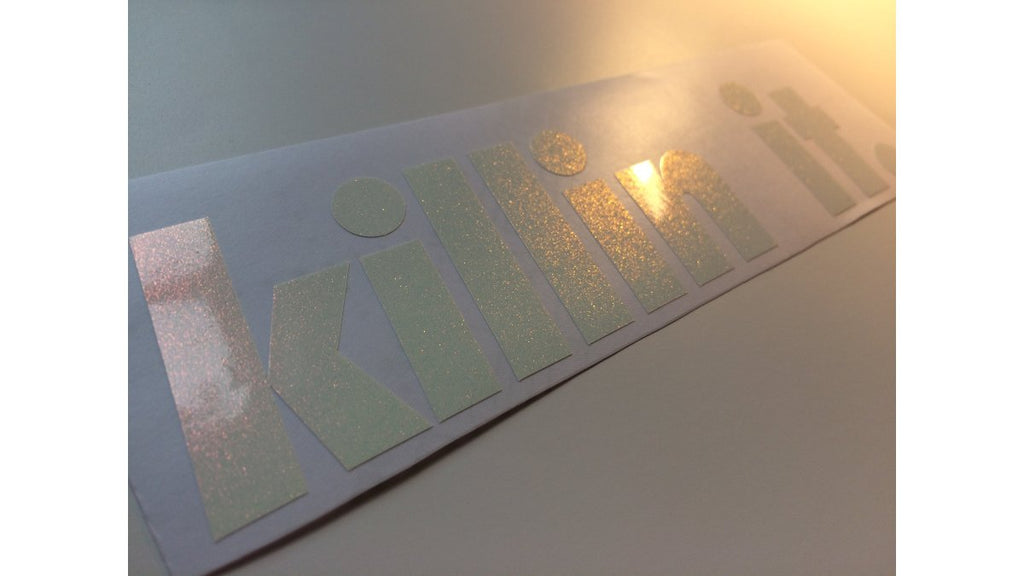
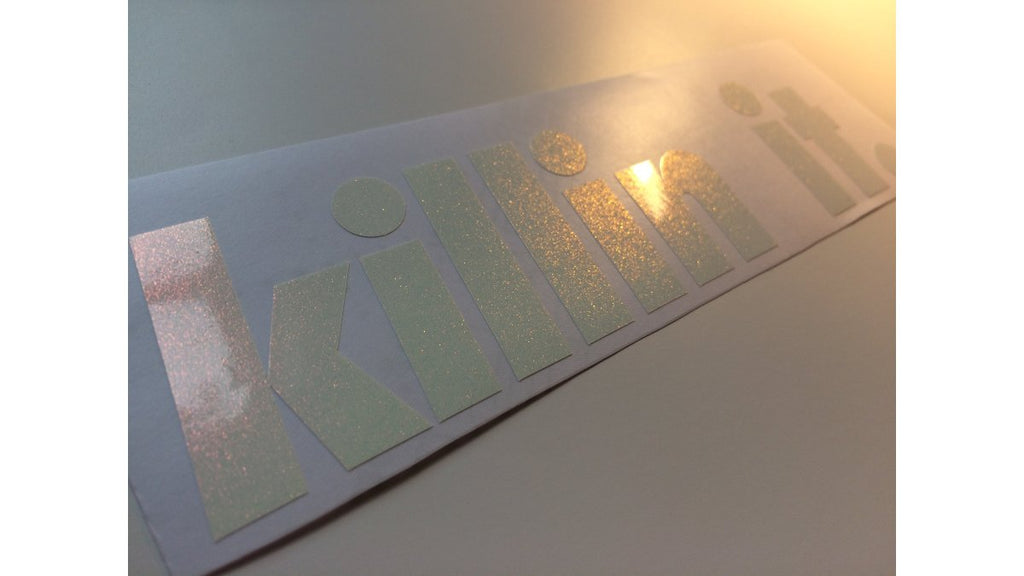
Our stickers are made from high-quality vinyl. Take our killin it. Vinyl Sticker at £2.99. It is waterproof for long life, and ships with application tape for easy fitting. Or browse the full vinyl stickers range to find a design that suits your build.

Car Vinyl Adhesive Types and How to Apply Vinyl Decals Without Bubbles
Adhesive choice decides how cleanly a decal goes on and comes off. For the full method, see our step-by-step guide to applying vinyl car stickers.
Here is how we would apply a decal without bubbles:
- Clean the panel with water and a mild soap, then dry it fully
- Wipe the area with an alcohol-based cleaner to strip oils
- Position the decal and tape one edge as a hinge
- Peel the backing and lay the film down slowly
- Smooth from the centre outwards with a squeegee
- Push any trapped air toward the nearest edge
- Peel the application tape back at a low angle
Our Abused Daily JDM Vinyl Sticker at £2.99 ships with application tape to make fitting simpler. For a bigger statement, the slow car club windscreen sticker at £15.99 is made from premium-quality vinyl.


Frequently Asked Questions
How can you tell if vinyl is good quality?
Check three things before you buy. First, look at the weight: a 180-gram pressing is thicker and more stable on the platter than a standard 120-140g disc. Second, inspect the surface under a bright light for scuffs, warping or cloudy patches that cause surface noise. Third, read the runout groove for matrix numbers and pressing plant codes, which tell you who cut the lacquer and where it was pressed. A clean, flat, well-pressed record with clear dead wax etchings is usually a safe bet.
What is the difference between cast and calendared vinyl?
Cast vinyl is poured onto a casting sheet and cured slowly, so it stays thin, conforms to curves and holds its shape for years without shrinking. Calendared vinyl is squeezed through rollers, which leaves it thicker and more prone to shrinking back over time. For car decals that sit on curved panels or see direct sun, cast vinyl is the better choice. Calendared vinyl suits flat surfaces and short-term use, and it usually costs less.
How do you apply vinyl without bubbles?
Clean the panel with a degreaser and let it dry fully. Mix a few drops of washing-up liquid in a spray bottle of water, mist the surface, then lay the decal down and slide it into position. Work a squeegee from the centre outwards in firm strokes, pushing trapped water and air to the edges. Small bubbles usually disappear as the water evaporates over 24 to 48 hours. Avoid stretching the vinyl while squeegeeing, as this can lift the edges later.
Does the adhesive affect the quality of car vinyl?
Yes, significantly. Pressure-sensitive acrylic adhesive is the standard for automotive decals because it resists UV, heat and moisture without leaving residue when removed. Cheap rubber-based adhesives grip hard at first but break down in sunlight and can stain clear coat. A good adhesive also allows repositioning during fitting, which makes bubble-free application far easier. If a supplier will not tell you which adhesive they use, treat that as a warning sign.
Spotting a great pressing takes practice, and the same care pays off when you are choosing decals for your build. At ToxicVinyls, we stock JDM and drift-inspired stickers made from high quality vinyls, with waterproof finishes and application tape included for a clean fit. Browse the range, pick your design, and get your car looking exactly how you want it.

Related post
04
Nov
RECENT POSTS