How to Tell High Quality Car Vinyl: A Buyer's Guide
Last Updated: October 31, 2026
Quick Summary
To tell high quality car vinyl, check the construction, adhesive, liner and UV resistance: cast film stretches smoothly and stays stretched, while calendared film resists and snaps back. Ask for a spec sheet stating thickness in micrometres and confirm the film is air-release before you buy.
- Cast vinyl is often around half the thickness of calendared film and conforms to curves.
- Air-release vinyl has tiny channels in the adhesive that let trapped air escape sideways.
- Stretch a 25 mm-wide strip by hand: good film holds without springing back.
- Outdoor durability is usually quoted for vertical surfaces in a temperate climate.
- Ask for the spec sheet, written warranty terms and batch number before committing.
Table of Contents
- What Separates High Quality Car Vinyl From Cheap Film
- Cast vs Calendared Vinyl for Cars: The Construction Test
- Air-Release Vinyl for Bubble-Free Application
- A Hands-On Checklist for Assessing Vinyl Quality
- Car Wrap Vinyl Brands: Reading the Spec Sheet and Warranty
- Best Vinyl for Car Decals: Matching Film to the Job
- Paint Safety, Removal and British Weather Performance
- Picking Your Next Set of Graphics From the ToxicVinyls Range
- Frequently Asked Questions
What Separates High Quality Car Vinyl From Cheap Film
Most cheap car vinyl fails for one boring reason: it was never built to stay on a car. If you want to understand why cheap car stickers fade, the reasons are worth knowing before you buy. It was built to be cheap. Learning how to tell high quality car vinyl comes down to understanding what the film is made of, how it was manufactured, and whether the seller can back it up with a proper spec sheet.
The Four Things That Actually Decide Quality
Four factors separate good film from bad: the construction method, the adhesive, the protective liner, and how the film handles UV and weather. Get these right and the vinyl will outlast your patience with it. Get them wrong and you'll be scraping residue off your boot lid with a plastic card.
Cast vs Calendared Vinyl for Cars: The Construction Test
Cast vinyl is poured as a liquid onto a liner and cured flat, which lets it stretch and conform around curves without springing back. Calendared vinyl is squeezed through rollers like pastry, which makes it cheaper but stiffer, and it fights you on every curved panel.
How to Tell Them Apart in Your Hand
Hold a sample and try to stretch it. Cast film stretches smoothly and stays stretched. Calendared film resists, then snaps back or wrinkles. Cast is also noticeably thinner, often around half the thickness of calendared film, and it sits flatter when you press it onto a curved surface.
Air-Release Vinyl for Bubble-Free Application
Air-release vinyl has a grid of tiny channels in the adhesive that let trapped air escape sideways when you squeegee the film down. That's the difference between a clean install and a bubble farm. Once you've confirmed it, follow this step-by-step vinyl application guide to get a bubble-free finish.
A Hands-On Checklist for Assessing Vinyl Quality
Most buying guides tell you to 'check the quality' without saying what that looks like in your hand. This checklist turns that vague advice into observable tests you can run on a sample before committing to a full set. Work through it in order; a film that fails early checks rarely recovers later.
Film consistency and thickness
Ask the seller for the nominal film thickness in micrometres (µm) and then check it feels uniform across the sample. Run your thumb and forefinger along the edge to check for consistency. You are not measuring with a micrometre on a sample, but inconsistency, thin patches, ripples, or a wavy edge, signals poor coating control.
Colour and print uniformity
For printed film, check for banding, colour drift across the sheet, and sharp edges on fine detail. A common pattern is that budget printers produce visible stepping in gradients and fuzzy edges on small text. Compare two samples from the same batch if you can; colour should match closely.
Stretch and recovery
Cut a 25 mm-wide strip and stretch it gently by hand. Cast film stretches smoothly and holds the stretch without springing back hard; calendared film resists, then snaps back or wrinkles. A film that tears rather than stretches, or that leaves a whitened stress mark, is a poor candidate for curved panels.
Adhesive tack and residue
Press the adhesive side onto a clean glass jar or a painted test panel, smooth it down, then peel it back after a minute. Quality adhesive should feel tacky but release cleanly, leaving no gummy residue on the surface or your fingers. If it leaves a sticky film or pulls fibres from your clothing, expect the same behaviour on paint.
Release liner behaviour
The backing paper should peel away in one clean piece without tearing or leaving fragments. A liner that curls aggressively, splits, or feels damp suggests the roll has absorbed moisture or been stored badly. Check that the liner is flat and that the film has not started to lift at the edges before you have even applied it.
Edge lift and conformability
Apply a small offcut to a curved surface, a wing mirror shell or a rounded paint tin works well, and press it down with a squeegee. Leave it for an hour. Quality film stays flat around the curve; poor film lifts at the edges or tents.
Smell and handling
A harsh solvent whiff can indicate a cheap adhesive or a film that has been stored warm. Quality film has a mild, neutral smell.
Spotting counterfeit, mislabelled or poorly stored film
Counterfeit and mislabelled film is common in online marketplaces, and the warning signs are usually visible before installation. Ask the seller to name the manufacturer and the product range, not just the colour. Check the roll for a manufacturer's watermark on the liner, many premium films print their brand repeatedly along the backing paper.
Storage damage is easier to spot than counterfeit.
Watch Out
A mislabelled roll will usually fail the stretch test immediately. If a seller cannot confirm cast versus calendared construction, assume calendared and price accordingly.
Here are the hands-on checks the guide recommends running on a sample before you commit to a full set.
| Check | What to do | What good film shows |
|---|---|---|
| Film consistency and thickness | Ask for nominal thickness in micrometres; hold to a window | Even light passage, no cloudy streaks or banding |
| Colour and print uniformity | Compare two samples from the same batch | Close colour match, sharp fine detail, no mottling |
| Stretch and recovery | Stretch a 25 mm-wide strip gently by hand | Stretches smoothly and holds without springing back |
| Adhesive tack and residue | Press onto clean glass or painted panel, peel after a minute | Tacky but releases cleanly, leaving no gummy residue |
| Release liner behaviour | Peel the backing paper away | Comes away in one clean piece without tearing |
| Edge lift and conformability | Apply an offcut to a curve, squeegee, leave an hour | Stays flat around the curve, no lifting or tenting |
| Smell and handling | Flex the film and note the smell | Mild neutral smell, supple rather than brittle |
Car Wrap Vinyl Brands: Reading the Spec Sheet and Warranty
Brand reputation is a poor substitute for a spec sheet. This section covers what a proper spec sheet should contain and how to interpret warranty terms.
What a proper spec sheet states
If a seller cannot produce a spec sheet, or the sheet omits thickness and construction, treat the product as unverified. A common pattern is that budget films publish a headline lifespan but omit the conditions attached to it.
Interpreting durability claims
Outdoor durability figures are usually quoted for vertical surfaces in a temperate climate. Horizontal surfaces, bonnets, roofs, boot lids, degrade faster because they take more UV and standing water. A film rated for seven years vertically may be rated for three to five years horizontally.
Warranty terms and what they actually cover
- What is covered: fading, cracking, bubbling, adhesive failure, and premature edge lift are the usual covered defects. Confirm whether labour is covered or only the film.
- What voids it: poor surface preparation, application outside the stated temperature range, improper washing (especially pressure washing at close range or brush washes), and use of certain chemicals. Most warranties also require installation by an approved fitter.
- Climate limitations: some warranties exclude coastal areas with high salt exposure or regions with extreme UV. Check whether your location falls inside the covered zone.
Read the exclusions before the headline lifespan. A ten-year warranty that is voided by brush washing is worth less than a five-year warranty with fewer conditions.
Premium versus budget film: a balanced comparison
The practical decision is not 'premium good, budget bad' but matching film to the job. For a full wrap on a curved body, premium cast film is usually the lower-risk choice. For flat-panel decals or temporary graphics, a well-specified calendared film can be perfectly adequate, provided the spec sheet is honest about what it is.
Compatibility with vehicle paint and safe removal
Quality vinyl sits on top of your clear coat without bonding to it, so it lifts away cleanly when removed with gentle heat. The risk is highest on repainted panels, SMART repairs, and paint that has not fully cured, film applied over fresh paint can pull the finish on removal.
Quality documentation and installer checks
Before committing, ask for the spec sheet, the warranty terms in writing, and confirmation of the batch number. A seller who provides all three is demonstrating that the product is traceable and the claims are backed. A seller who provides none is asking you to take the risk on their behalf.
Best Vinyl for Car Decals: Matching Film to the Job
The best vinyl for car decals depends on where it's going. Small slap stickers are forgiving either way, as long as the film is waterproof.
Paint Safety, Removal and British Weather Performance
Quality vinyl sits on top of your clear coat without bonding to it, so it lifts away cleanly when removed with gentle heat. Cheap film can leave adhesive residue or, worse, pull at paint that wasn't properly cured. Our guides on vinyl and paint protection and safe decal removal cover the full picture.
Picking Your Next Set of Graphics From the ToxicVinyls Range
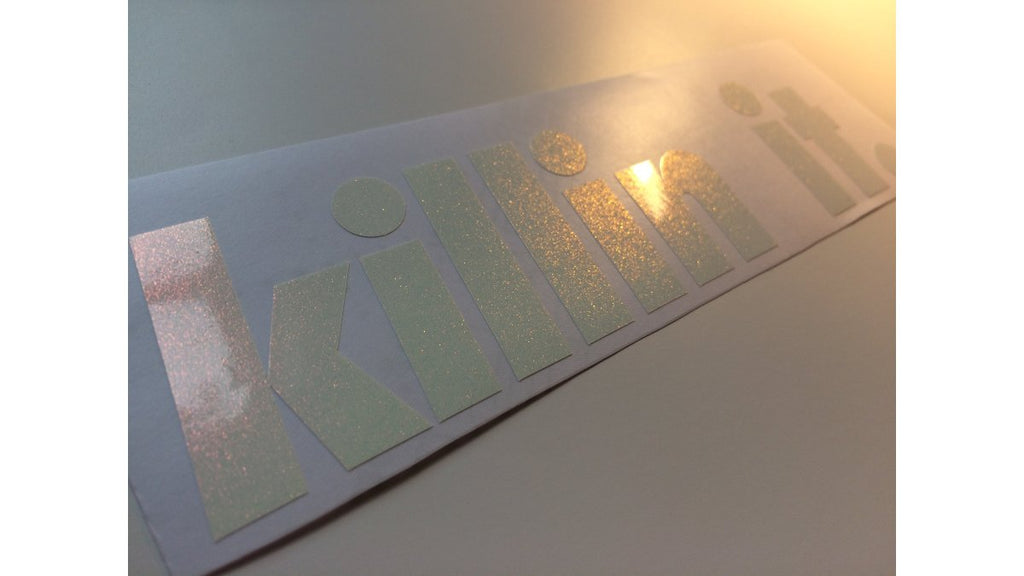
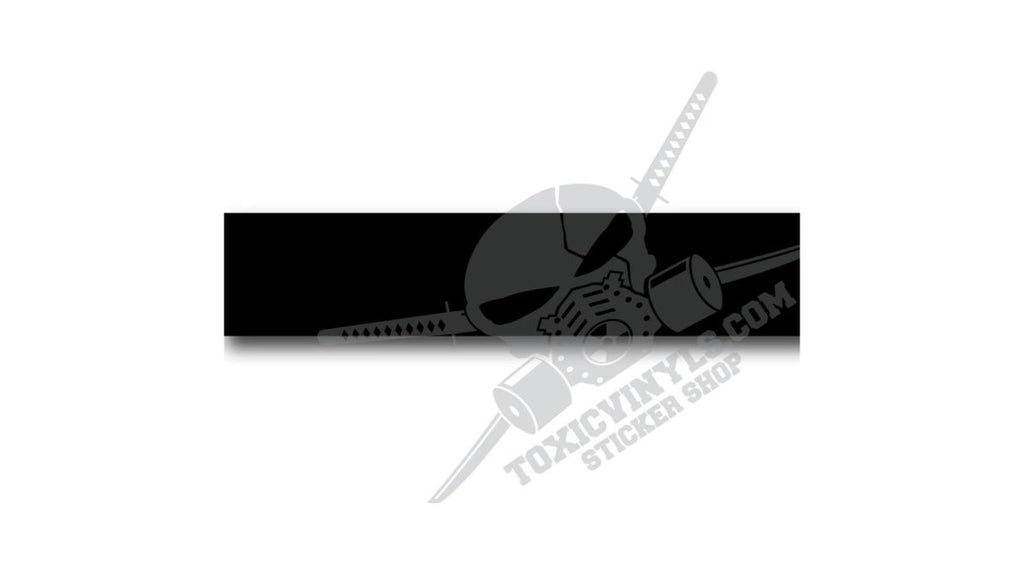
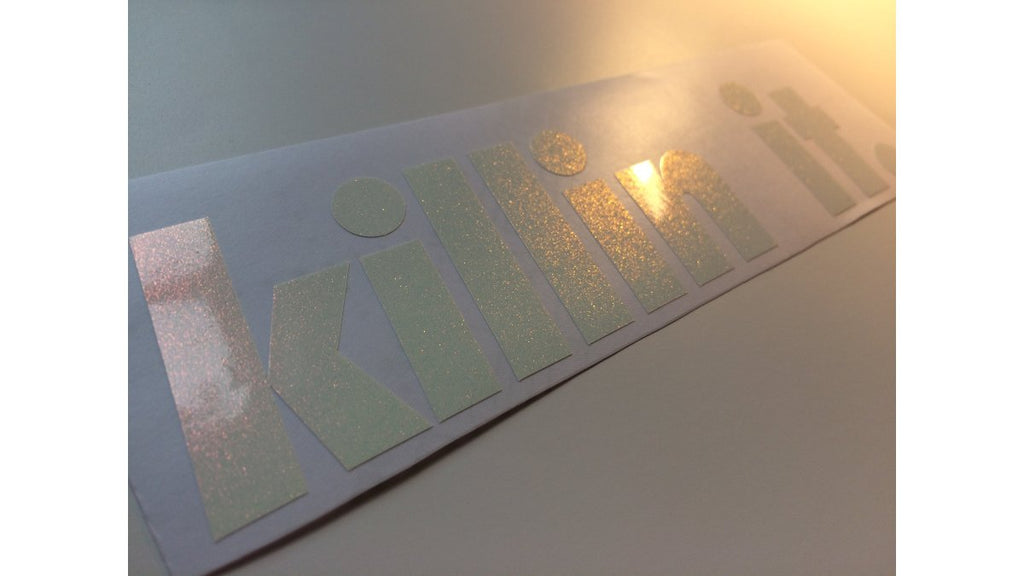
This is where the theory becomes a shopping list. If you're ready to buy, browse these custom vinyl graphics for drift cars for styling inspiration that suits your build. The killin it. Vinyl Sticker at £2.99 is made from bubble-free car wrap material and is supplied with application tape. The Tofu Shop JDM Slap Sticker at £3.49 is full-colour printed and laminated for long life. For a full windscreen statement, the slow car club windscreen sticker at £15.99 measures 1000mm x 132mm.


Frequently Asked Questions
How can you tell if car vinyl is good quality?
Start with the backing paper: cast film feels thin and floppy, calendered film feels stiffer and springs back. Check the liner for a printed brand and batch number, look for a visible air-release texture on the adhesive side, and try conforming a scrap piece around a curved edge. Film that lifts immediately or creases sharply is not going to hold on a vehicle contour. A written warranty of several years is the clearest sign the maker trusts the car vinyl.
What is the difference between cast and calendered car vinyl?
Cast vinyl is poured onto a liner as a liquid, so it has no built-in memory and stretches around curves, rivets and recesses without lifting. Calendared vinyl is rolled flat under pressure, which leaves stress in the film that it tries to release over time, causing edge lift on tight curves. For flat panels and short-term decals, calendered is fine and cheaper. For full colour-change work or anything wrapping a bumper, cast is the sensible choice.
Does good-quality car vinyl have air-release channels?
Most quality wrapping and decal films now use air-release adhesive, a fine grid or dot pattern on the adhesive side that lets trapped air escape sideways when you squeegee. It does not remove the need for proper technique, but it makes bubble-free application far more forgiving, especially on large panels. Hold the film up to the light before peeling: if you cannot see any texture in the adhesive, expect to work harder and slower.
Can you tell the quality of car vinyl by its thickness?
Thickness alone is a weak indicator. A cheap calendered film can be made thick to feel substantial, while a premium cast film is often thinner because it conforms better. What matters more is consistency: measure a few points with a micrometre and look for variation. What matters more is how the film behaves when stretched and whether the adhesive stays clear rather than turning cloudy.
How long should high-quality car vinyl last?
A quality cast film with a proper clear laminate should hold up for five to seven years on vertical panels, and often longer if the car is garaged and washed by hand. Horizontal surfaces such as the bonnet and roof take far more direct sunlight and UV, so expect a shorter life there. Budget calendered film often starts to fade or lift within a couple of years, particularly through a wet winter with road salt and regular jet washing.
Are these vinyls safe to use on my car's paint?
Paint should be sound, fully cured and clean before any vinyl is applied. The risk comes from cheap adhesive that leaves residue or bonds too aggressively, and from removing film too fast or on a hot panel. Warm the film gently, peel back at a shallow angle and let the adhesive come with it. Freshly resprayed panels should be left to cure before any vinyl goes near them.
The difference between vinyl that lasts and vinyl that peels comes down to construction, adhesive, and honest spec sheets. ToxicVinyls stocks quality products built for the car scene, with bubble-free application, waterproof finishes, and a huge range of JDM and slap stickers. Get started with ToxicVinyls and give your build the graphics it deserves.

Related post
04
Nov
RECENT POSTS