
Will Car Vinyl Stickers Damage Paintwork?
Table of Contents
- Will Car Vinyl Stickers Damage Paintwork?
- How Long Do Car Decals Last Before Fading or Peeling
- Applying Car Decals Without Bubbles: Step-by-Step
- How to Remove Vinyl Stickers From Car Paint Safely
- Car Sticker Residue Removal: Cleaning After Decals
- Protecting Your Paintwork Before Applying Vinyl Stickers
- Common Mistakes to Avoid When Using Car Vinyl Stickers
- Frequently Asked Questions
Last Updated: October 16, 2026
Will Car Vinyl Stickers Damage Paintwork?
The short answer: no, quality vinyl stickers won't damage your paintwork if you apply and remove them correctly. But cheap vinyl, poor application technique, or careless removal can absolutely wreck your clear coat.
Here's what you need to know. High-quality vinyl adheres to your paint surface without bonding to it permanently. The sticker sits on top of the clear coat rather than eating into it. The real damage happens during removal or if you've left a sticker on for years without proper care.
The difference between a flawless finish and permanent damage comes down to three things: the quality of the vinyl you buy, how carefully you apply it, and how you take it off. At ToxicVinyls, we focus on premium materials specifically designed for automotive use. Our stickers are built to last without compromising your paint.
Let's break down what actually happens to your paintwork and how to protect it.
How Long Do Car Decals Last Before Fading or Peeling
Quality vinyl stickers typically last between five and seven years on the exterior of your car before fading becomes noticeable. That's assuming you're using proper automotive-grade vinyl and you're not leaving your car in direct sunlight 24/7.
The lifespan depends on several factors:
- Vinyl quality: Premium vinyl lasts longer than budget alternatives
- Sun exposure: UV rays fade and degrade vinyl faster than shade
- Weather conditions: Salt air, heavy rain, and extreme heat shorten lifespan
- Application quality: Poorly applied stickers peel at the edges and fail sooner
- Maintenance: Regular cleaning and protective wax extend the life
Cheaper vinyl often starts peeling within months. You'll notice the edges lifting first, then water creeping underneath. That's when damage risk increases. Water trapped between the vinyl and paint can cause discolouration or even rust on metal panels.
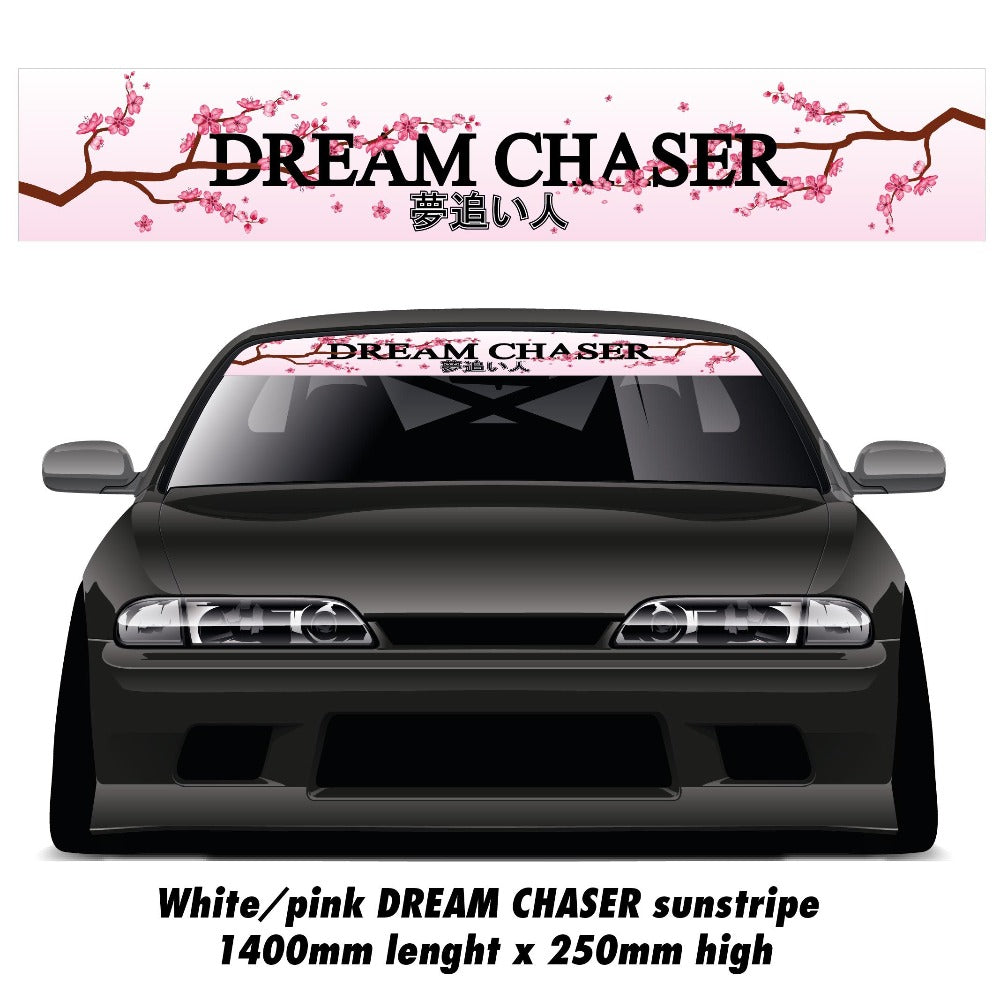
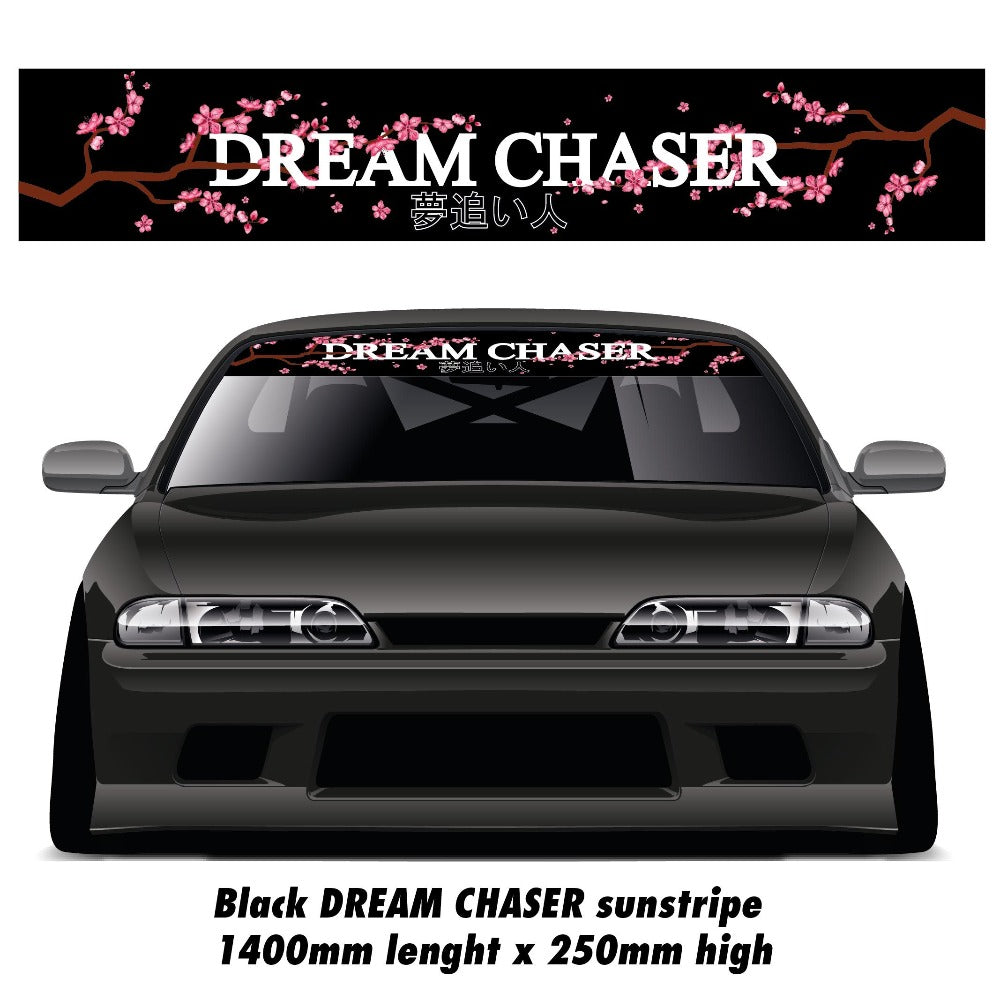
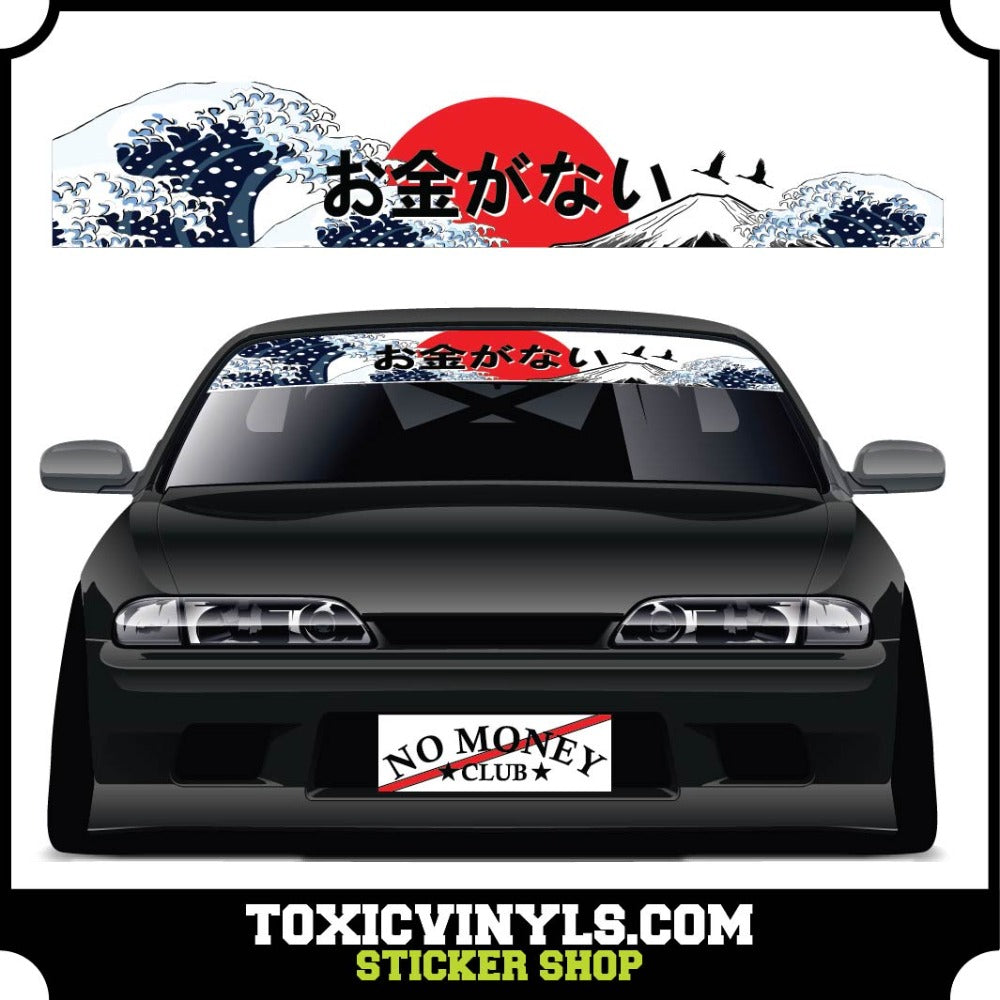
Our windscreen banners, like the SINGLE COLOUR Windscreen Sunstrip Banner at £9.99, are rated for five to seven years of outdoor life. The laminated designs like our Koi Fish JDM Sunstrip at £24.99 hold colour better because the laminate layer protects the print from UV damage.


Peeling stickers are your warning sign. Once edges start lifting, remove the sticker before water gets underneath.
Applying Car Decals Without Bubbles: Step-by-Step
Bubble-free application is entirely achievable if you follow a proper process. Most people rush this step and create problems they then blame on the vinyl itself. The technique matters more than the product.
What You'll Need Before You Start
Gather these items before you start:
- Clean microfibre cloth or squeegee
- Application fluid (soapy water works, but proper fluid is better)
- Sharp knife or blade for trimming
- Heat source (hair dryer or heat gun on low setting)
- Masking tape for positioning
- Patience (seriously, rushing causes 90% of problems)
The Application Process
Step 1: Clean the surface thoroughly. Use a microfibre cloth and soapy water. Dry completely. Any dust or residue traps air bubbles underneath. This is the most important step and most people skip it.
Step 2: Position the sticker before applying. Use masking tape to hold it in place. Step back and check alignment. Reposition if needed. Once you start applying, moving the sticker creates wrinkles.
Step 3: Apply application fluid to the back of the sticker. This lets you slide the sticker around before it bonds. Start at one edge and peel the backing as you go.
Step 4: Use a squeegee to smooth from the centre outward. Press firmly but don't scrape. Work out air bubbles as you go. Use a heat gun on low if bubbles resist the squeegee.
Step 5: Trim excess vinyl with a sharp blade. Wait 24 hours before trimming for windscreen stickers. Cut carefully along edges.
Step 6: Let it cure for 24 hours before washing. The adhesive needs time to set properly.
Common mistakes: applying in cold weather (adhesive won't stick), using too much pressure (creates wrinkles), and trimming too soon (the vinyl shifts as it sets).
How to Remove Vinyl Stickers From Car Paint Safely
Removal is where most damage happens. Impatient removal tears clear coat. Proper removal takes time but leaves your paint unmarked.
Here's the safe method:
Heat the sticker. Use a heat gun or hair dryer on medium heat. Warm the entire sticker for two to three minutes. Heat softens the adhesive and makes removal easier.
Peel slowly from one corner. Lift a corner with your fingernail or a plastic scraper (not metal). Pull at a shallow angle, almost parallel to the surface. Never pull straight up.
Apply more heat as you go. If the sticker resists, heat it again. Resistance means the adhesive is still cold. Never force it.
Work around the entire sticker. Lift one edge, then another. Keep the sticker warm throughout. Patience here prevents clear coat damage.
Remove residue immediately after. Don't let adhesive dry on the paint. While the surface is still warm, wipe away any remaining sticker residue with a microfibre cloth.
The entire process for a medium sticker takes 10 to 15 minutes. Rushing it takes 2 minutes and ruins your paint.
SINGLE COLOUR Windscreen Sunstrip Banner →
Car Sticker Residue Removal: Cleaning After Decals
Adhesive residue left behind looks unprofessional and can trap dirt. Remove it properly to restore your paint.
For fresh residue: Use warm soapy water and a microfibre cloth. Rub gently in circular motions. Most fresh residue comes off easily.
For stubborn residue: Apply rubbing alcohol to a cloth and rub the area. Alcohol dissolves adhesive without harming clear coat. Test on a hidden area first.
For old, hardened residue: Use a plastic scraper, not metal. Scrape at a shallow angle. Apply heat first to soften the adhesive. Metal scrapers scratch clear coat.
Final step: Wash the area with car shampoo and water. Dry with a microfibre cloth. Apply car wax to restore protection.
Never use petrol, acetone, or harsh chemicals. These damage clear coat and paint underneath. Stick to alcohol, soapy water, and heat.
Protecting Your Paintwork Before Applying Vinyl Stickers
Prevention is easier than repair. Proper preparation protects your paint throughout the sticker's life.
Apply a protective wax before stickers. Wax creates a barrier between your paint and the adhesive. It also makes future removal easier because the sticker bonds to wax rather than clear coat. Reapply wax every six months.
Avoid applying stickers to areas with existing damage. If your clear coat is already compromised, adhesive seeps underneath. Fix paint damage first.
Don't apply stickers in extreme temperatures. Cold reduces adhesive effectiveness. Heat can cause the vinyl to expand and wrinkle. Apply between 10°C and 25°C for best results.
Keep stickers away from panel edges and seams. Water collects in seams and lifts sticker edges. This creates gaps where moisture gets trapped.
Consider the location carefully. Windscreen stickers last longer than side stickers because they're less exposed to UV. Rear quarter panels get more sun damage.
Quality vinyl from ToxicVinyls is designed to protect your paint, not harm it. Our products are tested for automotive use. But even premium vinyl needs proper application and maintenance to keep your paint safe.
Common Mistakes to Avoid When Using Car Vinyl Stickers
Most damage comes from preventable errors. Here's what to watch for:
Applying stickers to dirty surfaces. Dust and dirt trap air. Bubbles form immediately and never disappear. Clean surfaces take 10 minutes and prevent hours of frustration.
Using the wrong tools for removal. Metal scrapers, keys, and rough cloths scratch clear coat. Plastic scrapers and microfibre cloths cost pennies and save your paint.
Removing stickers in cold weather. Cold adhesive doesn't soften. You'll tear the sticker and damage paint trying to force it off. Wait for warmer weather or use heat.
Leaving stickers on for years without maintenance. Adhesive degrades over time. Edges start peeling. Water gets underneath. Remove old stickers before they cause damage.
Applying stickers in direct sunlight. You can't see bubbles clearly. The vinyl expands in heat and wrinkles. Apply in shade or overcast conditions.
Skipping the 24-hour cure time. The adhesive needs time to set. Washing or exposing the sticker to water too soon causes peeling.
Using cheap vinyl expecting premium results. Budget stickers fade, peel, and damage paint more easily. Premium vinyl costs more upfront but protects your investment.
Vinyl stickers won't damage your paintwork if you treat them with respect. Quality vinyl, careful application, and patient removal keep your paint perfect for years. At ToxicVinyls, we supply premium vinyl stickers designed for automotive use. When you use quality materials and follow the right process, your car's finish stays protected while you express your style. SHOP our full range of JDM and drift-inspired graphics today.
Frequently Asked Questions
Will car vinyl stickers damage paintwork if left on for years?
Quality vinyl stickers designed for automotive use won't damage paintwork when applied and removed correctly. The risk comes from poor application, low-quality materials, or prolonged exposure to UV without protection. Most premium car decals last 5-7 years outdoors before fading. If you remove them properly using heat and gentle techniques, your paint stays intact. Cheap stickers from unreliable suppliers are more likely to leave residue or cause damage during removal.
Can vinyl stickers be removed from a car without damaging the paint?
Yes, vinyl stickers can be removed safely if you use the right method. Heat the sticker with a heat gun or hair dryer for 30-60 seconds to soften the adhesive, then peel slowly at a low angle. Use a plastic scraper or squeegee to lift edges gently. For stubborn residue, apply rubbing alcohol or adhesive remover to dissolve what's left behind. Avoid metal scrapers and rushing the process, as these cause clear-coat damage. Take your time and the paint will remain undamaged.
How long do car decals last before they need replacing?
High-quality vinyl decals typically last 5-7 years when exposed to outdoor conditions. UV exposure, temperature swings, and moisture gradually fade colours and weaken adhesive. Indoor or sheltered stickers last longer. Premium materials from reputable makers hold up better than budget alternatives. Regular cleaning and avoiding harsh chemicals extends life. If your stickers start peeling at the edges or fading noticeably, it's time to remove and replace them.
What's the safest way to apply a car vinyl sticker without damaging paint?
Clean the surface thoroughly with soap and water, then dry completely. Use a wet application method with a squeegee and application fluid to position the sticker without stretching or trapping air bubbles. Work from the centre outward, smoothing gently. Avoid applying stickers to freshly painted surfaces, wait at least 30 days for the clear coat to cure fully. Quality stickers like those from ToxicVinyls are designed to protect your paintwork.
Related post
04
Nov
RECENT POSTS